
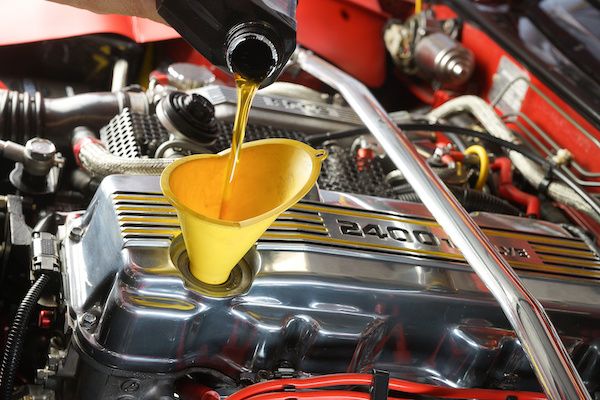
Whenever you bring your car, SUV, or truck to the local professionals at Worth It Automotive in Cordova, TN, you are most likely going to be asked. “What kind of oil?”. If you aren’t sure what kind of oil your vehicle takes, our technicians will gladly look that information up for you. The most important step of oil change services is putting the right oil in your engine. You can find what engine oil your automaker recommends by looking in the owner’s manual. There are two main types of oil: conventional and synthetic. Conventional oil Conventional oil is the traditional or regular type of motor oil, made of crude oil, that has been around for decades. It has the right viscosity, fluidity, and heat resistance to work well in many vehicles. Cars with more than 75,000-100,000 miles on them should opt for the subcategory of conventional oil called high-mileage oil. This type of oil has a lower price point than synthetic oil but doesn’t last as long between changes. You should aim to have your oil changed every 3,000 miles with this kind of oil. Synthetic oil Synthetic oil is engineered with synthetic chemical compounds and additives to be more consistent and beneficial for today’s modern engine. It can withstand extreme temperatures, higher and lower than traditional oil. Synthetic oils also have cleaning properties that can keep your engine free of corrosion. This type of oil is more common in urban vehicles more recent engine designs. The selling point of synthetic oil is that it can last a lot longer in between oil changes, which is why most people tend to disregard the higher price point. Some engines can go longer than 5,000-7,500 miles between each service. You should always follow your car manufacturer’s directions on when to change your oil and what oil to use. If you would like to schedule an oil change with us or discuss anything else related to oil changes, please give our auto repair shop a call today! We look forward to seeing you at Worth It Automotive.
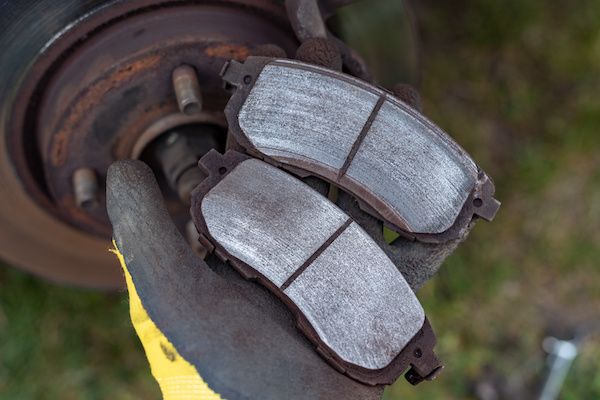
Your first defense in preventing car crashes is the brakes. But, the constant pressure aided by the hydraulic fluid causes wears and tear over time, requiring replacement. So when should you replace them? Signs Your Brake Pads Need Replacement It's vital to ensure your brakes are always in excellent condition. Generally, replacing your brake pads every 10,000 to 20,000 miles and rotors 50,000 to 70,000 miles is recommended. But, if you are unsure of the mileage, consider these signs and indicators of brake pads needing replacement. Vibrations A common sign is vibrations when you apply brakes. Check if the vibration is also felt in the steering wheel. This indicates your pads are worn, and the rotors are exposed to more heat. Screeching Sound Screeching is the easiest indicator of brake pads needing replacement. When you hear a high screech as you slow down, it's a sign of worn brakes. Grumbling Sound This type of sound usually follows after the screeching noise stops. So if your car begins to give a grumpy noise, your brake pads are completely worn out and require immediate replacement. Determinants of Brake Pads Lifespan The following factors determine your brake's lifespan. Environment If you drive in the city, you apply brakes more frequently due to traffic than in the countryside. This means brake pads in city-driven vehicles wear out fast. Also, driving in mountainous regions or areas with steep elevations wears brake pads quickly due to constant braking, especially downhill. Brake Pad Material The makeup material also determines your brake's durability. For instance, carbon ceramic brakes common in high-performance cars are more durable than standard metal types. Hardness Different driving needs have varying brake needs. Soft brake pads work better at low speeds, particularly in cities, while hard compounds last longer and are common in performance vehicles. Driving habits If you drive at top speeds and abruptly stop, your brakes will wear faster than smooth, gradual braking. It's vital at the recommended speeds. If you have noticed these signs and indicators in your car and need brake repair, please we invite you to come by Worth It Automotive today.
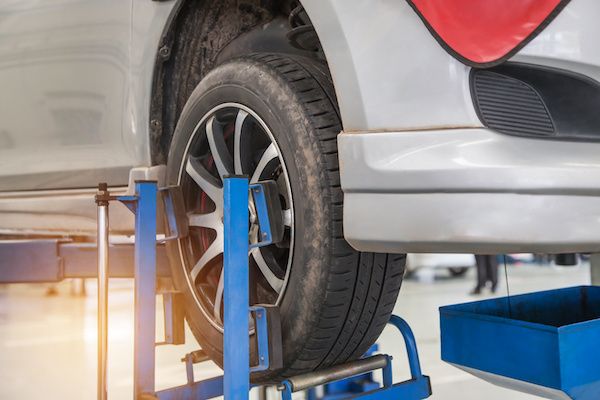
If you care about how much you spend on your vehicle and its tires, then you should consider rotating your tires at regular intervals. This simple service can ensure your tires wear evenly and promote better traction and handling. There’s no catch to tire rotations at all! Read on to learn more about how often you should be having this service performed. About 7,500 miles, give or take. This is how often you should be getting tire rotations. Most vehicle manufacturers recommend having it done sooner or later, so it is best to refer to your owner’s manual for detailed instructions. Most drivers tend to get it done at every oil change to save themselves from having to remember both. During a tire rotation service at Worth It Automotive, we remove your tires, swap their positions, and remount them. Most car tires wear faster in the front versus the back, so switching their positions every so often will ensure they wear down at the same rate. Not only will you save money on having to replace tires as often, but you’ll also have peace of mind knowing that your drive will be safer. It has been proven that tire rotations can reduce the risks of other tire problems, like blowouts. Tire rotations also improve traction and boost fuel efficiency. With even tires, your car can grip the road better and require less energy to roll. If you want your vehicle to perform well throughout the year, make sure you don’t skip out on this service. If you’re ready to have them rotated, please call or visit the tire experts at Worth It Automotive today! Feel free to schedule your appointment online at your convenience.